Tillandsia BUTZII

Le Tillandsie: piante aeree uniche che vivono senza terra né radici.
Sale price€5,00

Tax included. Shipping calculated at checkout

Cut: L - Extralarge

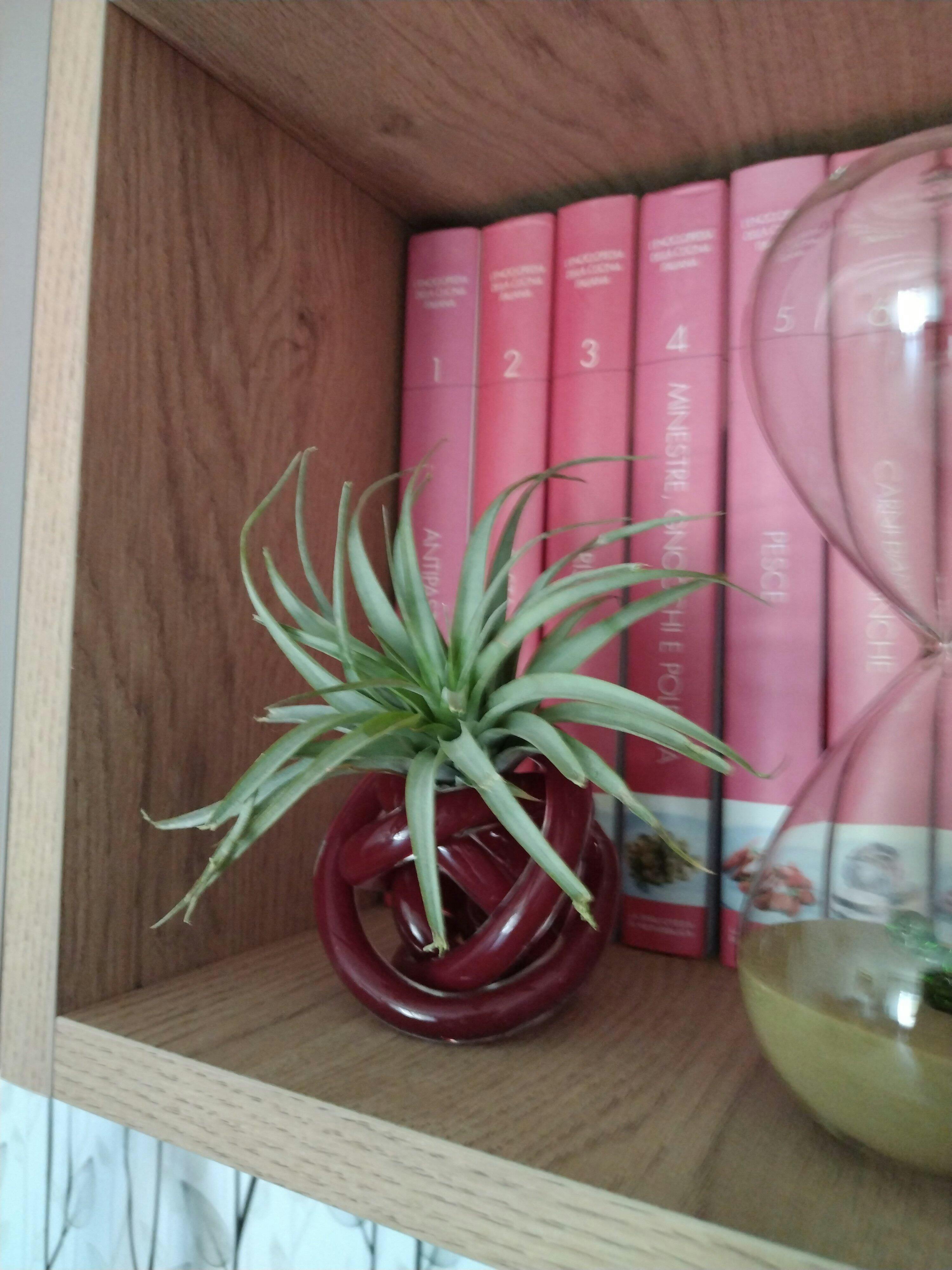
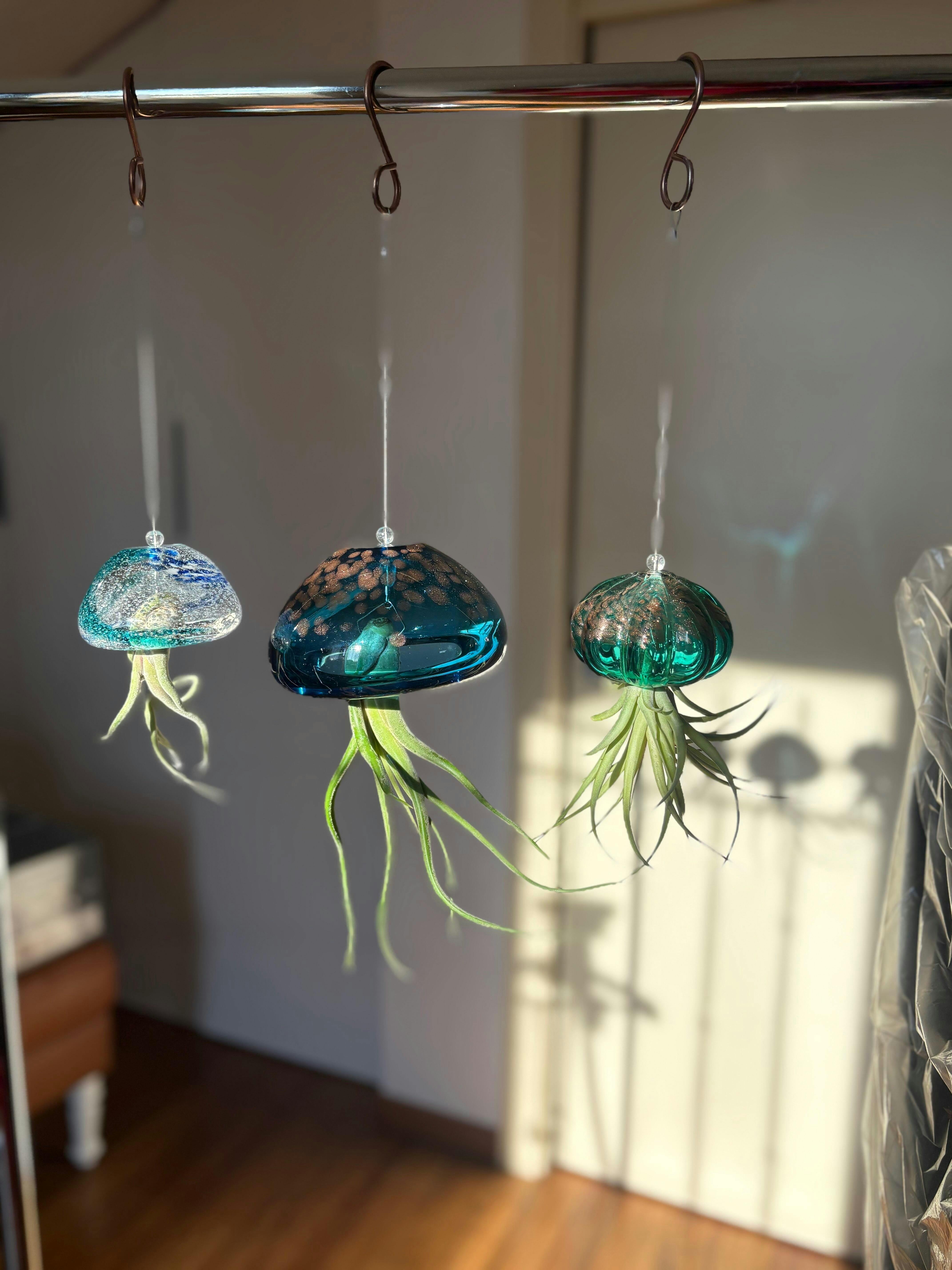
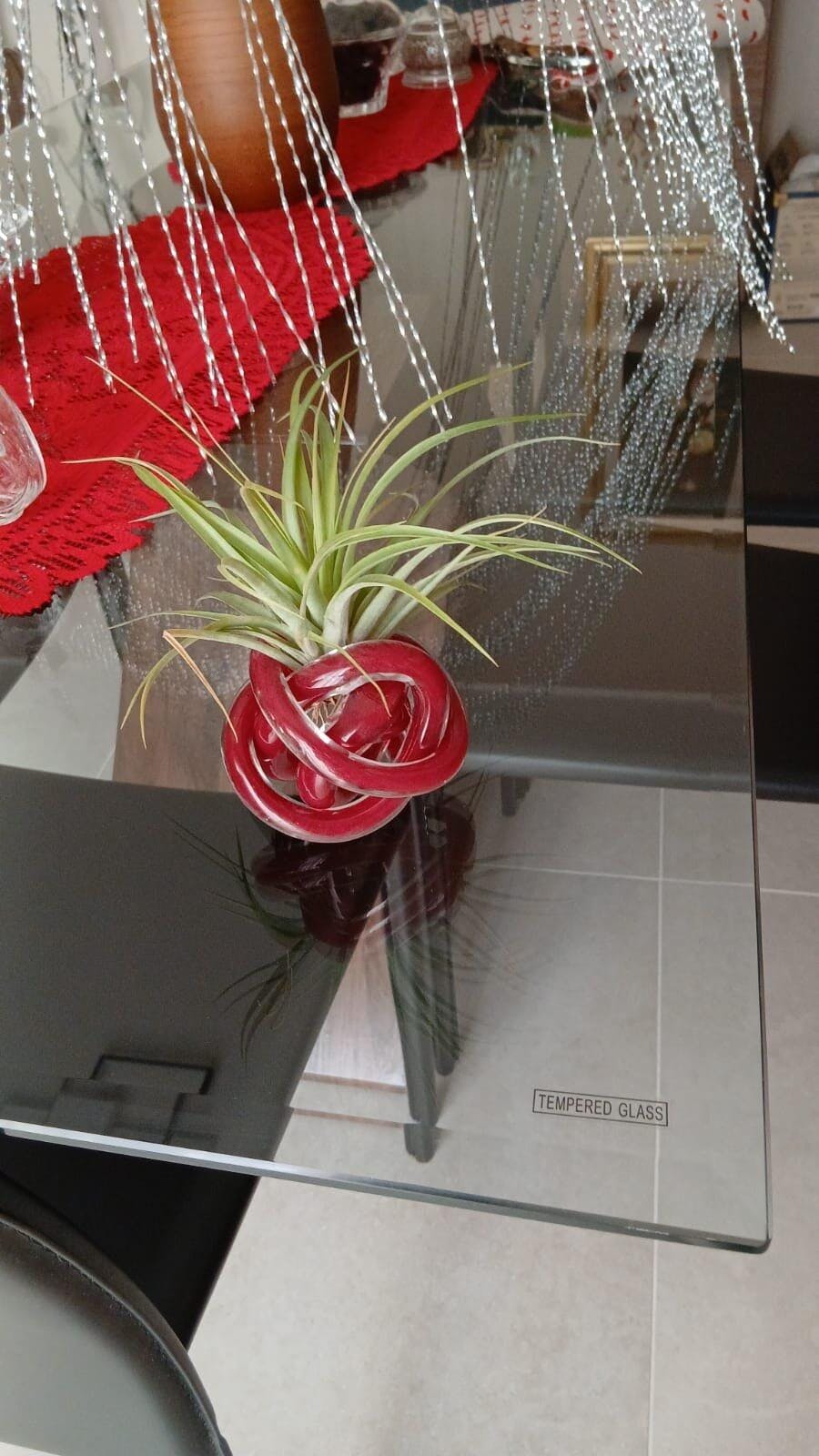
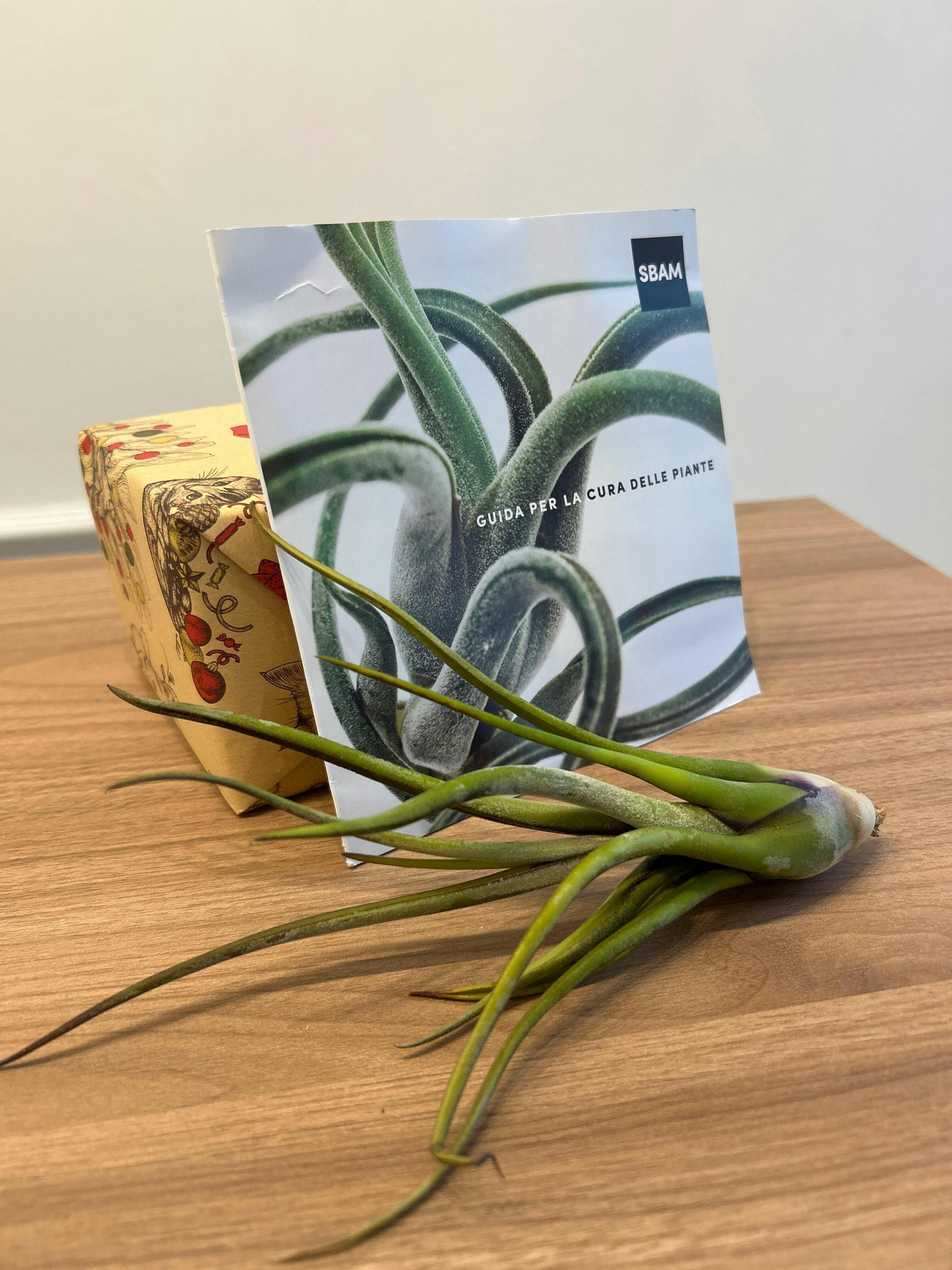
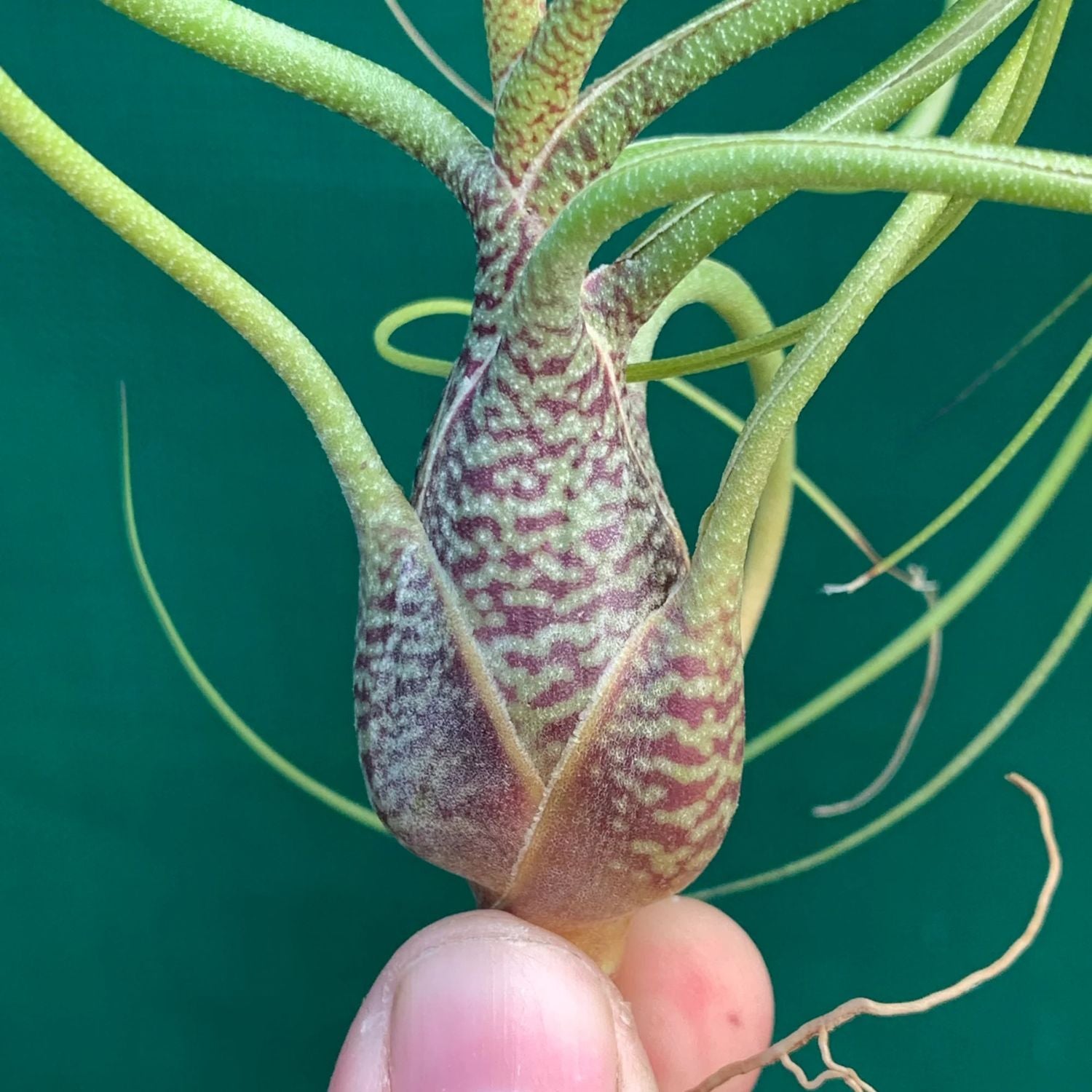
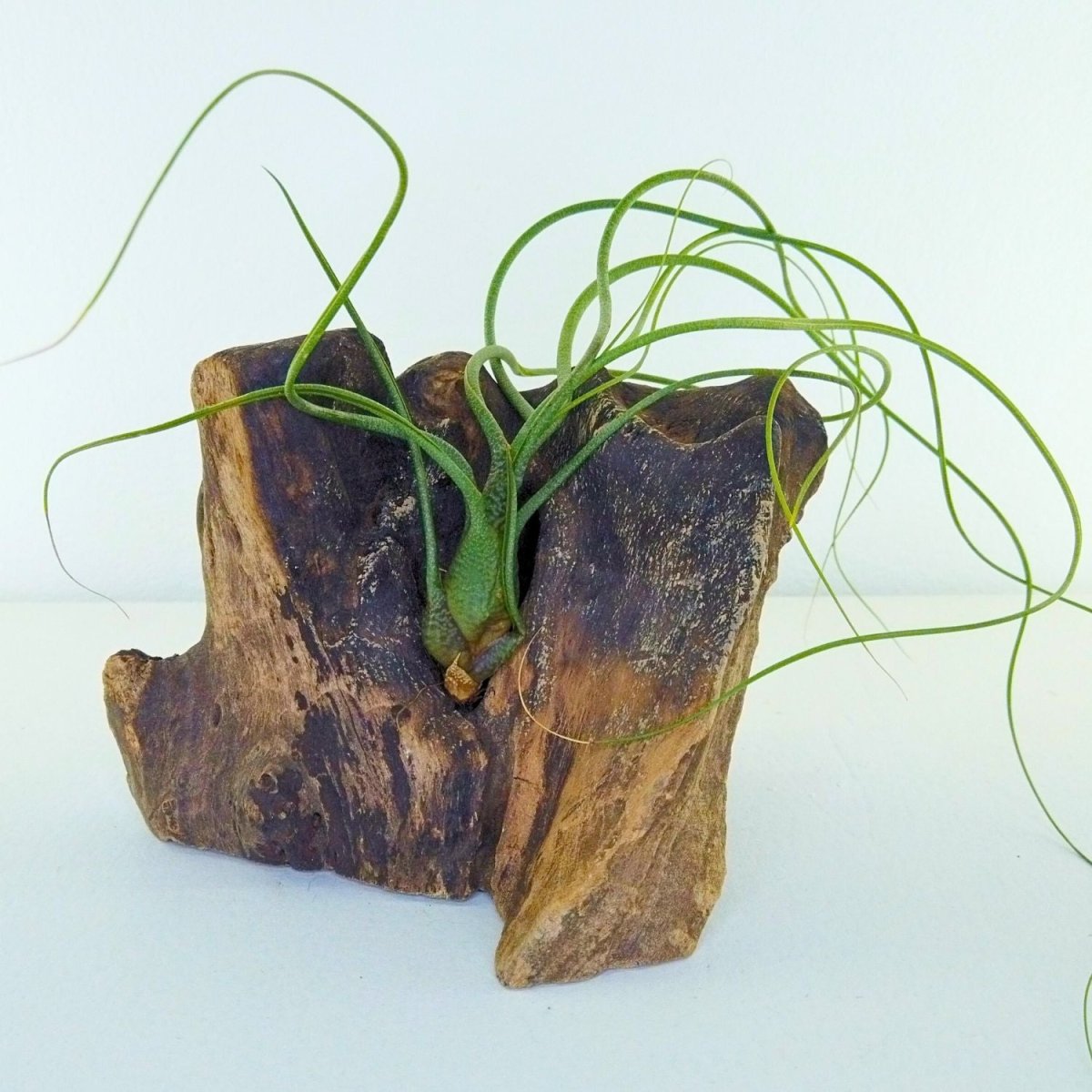
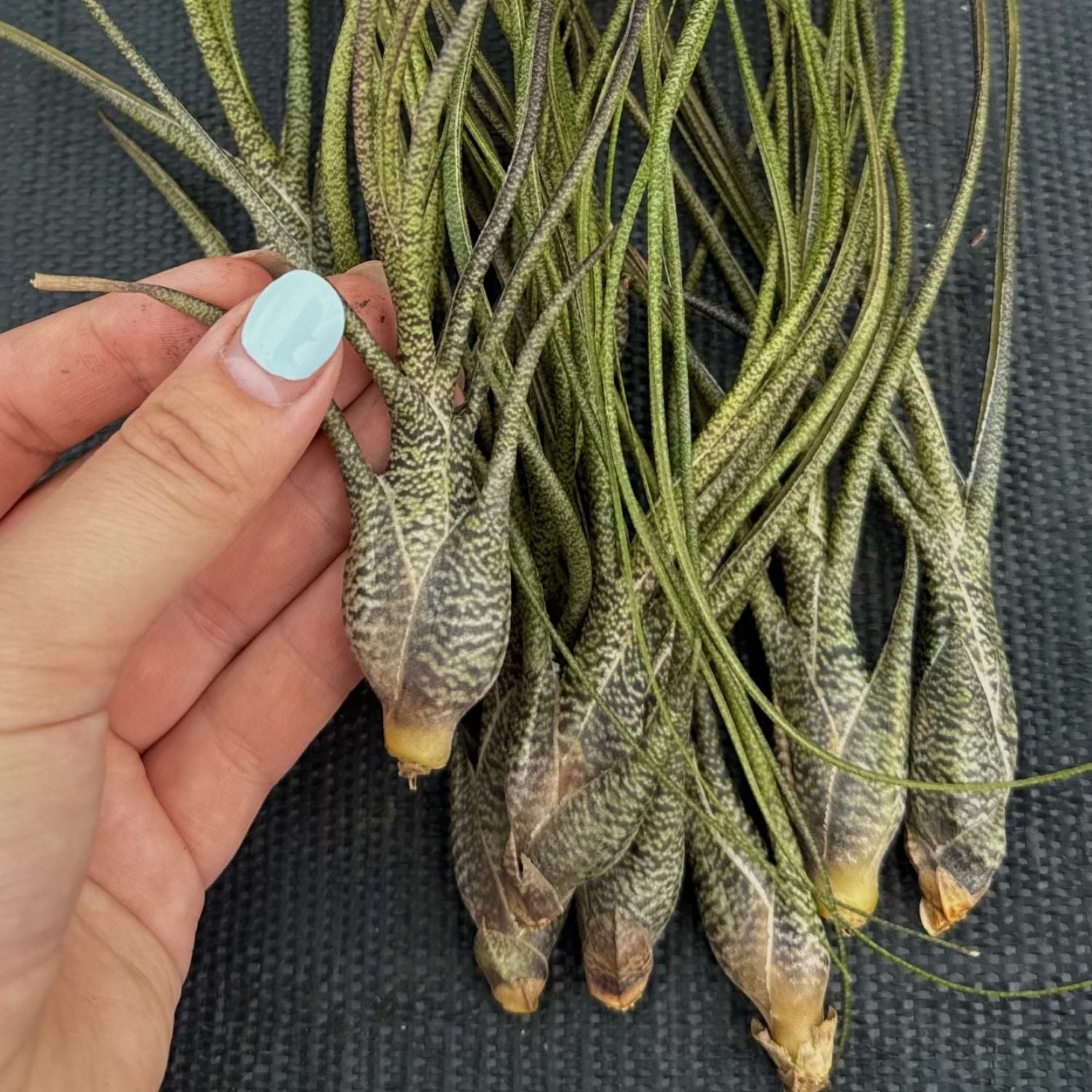
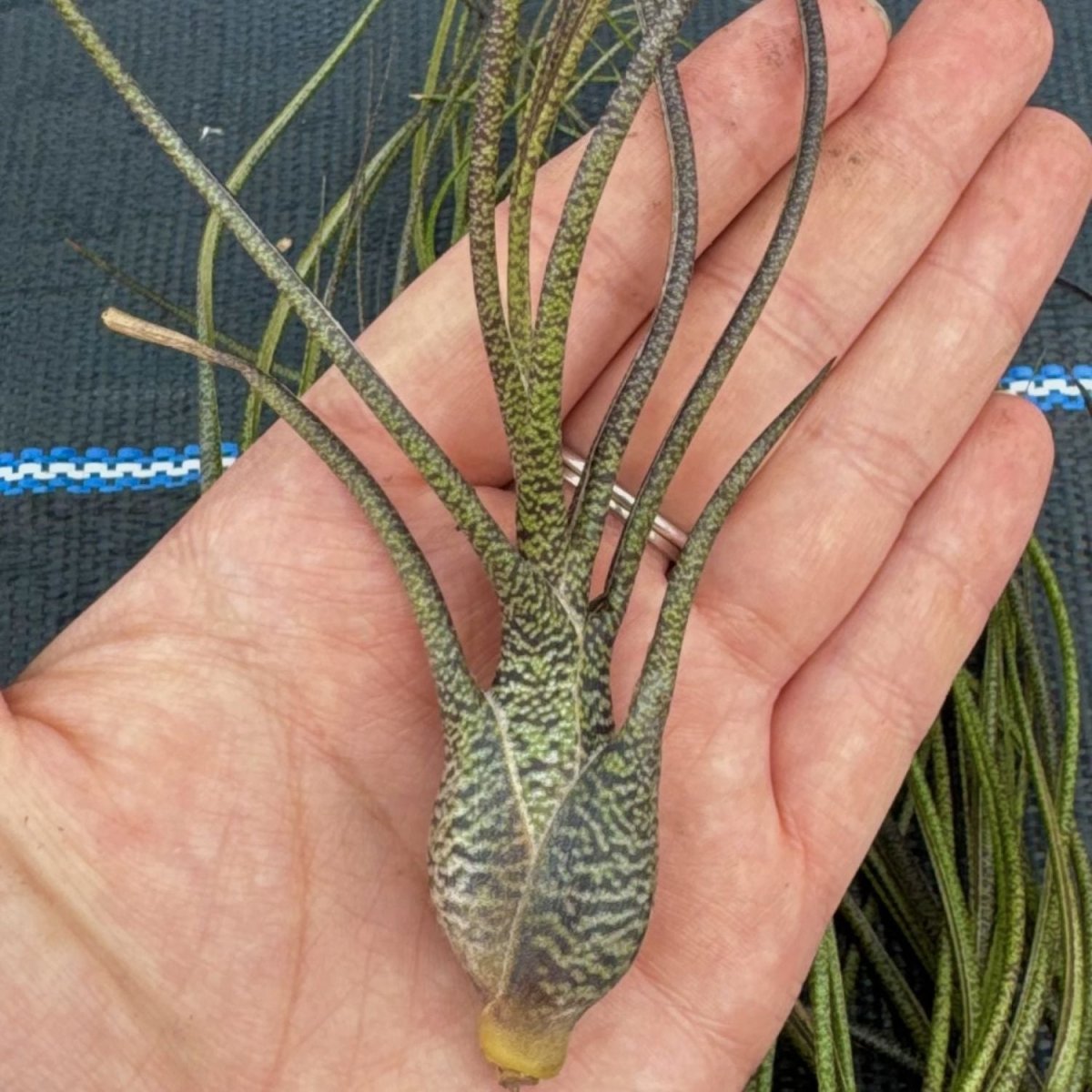
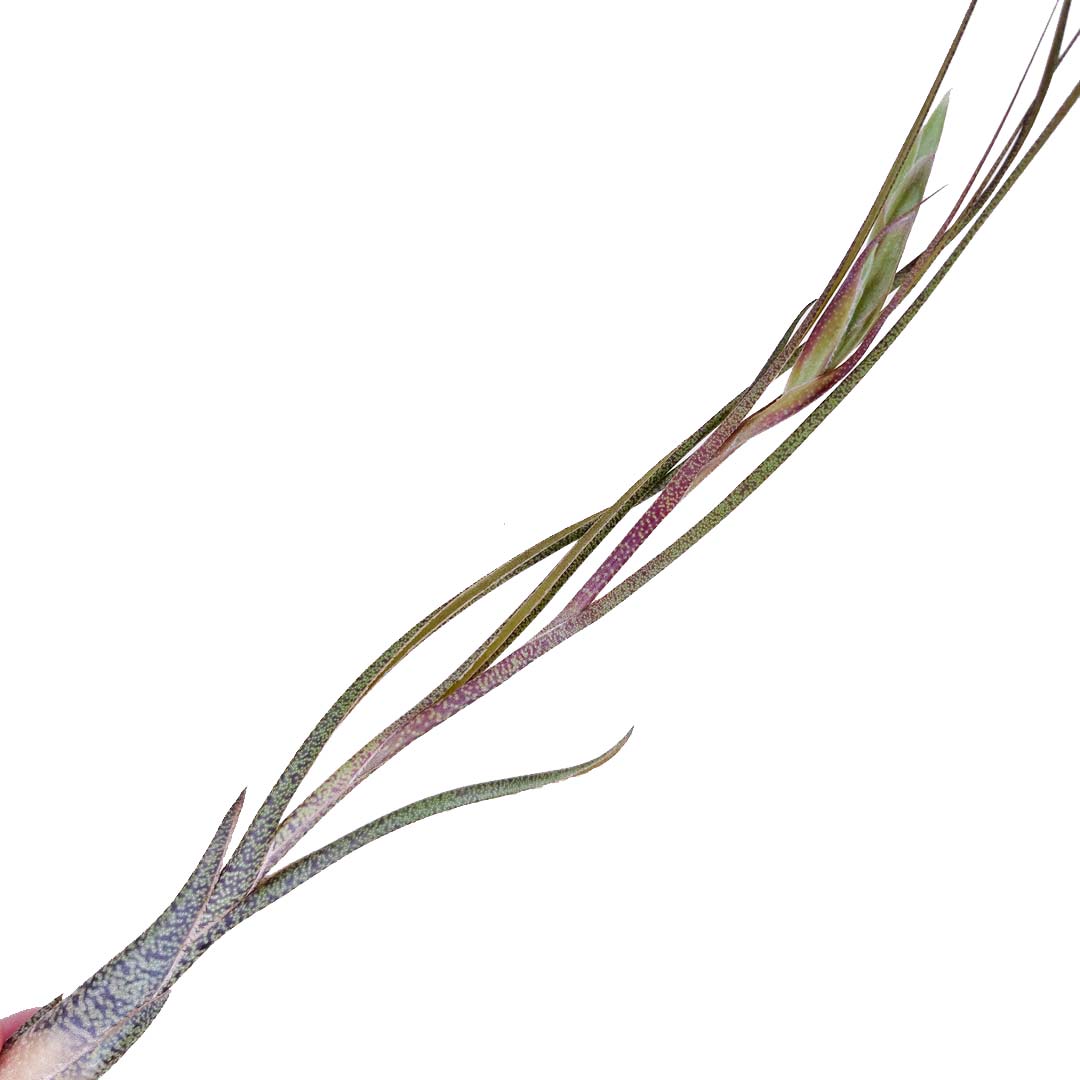
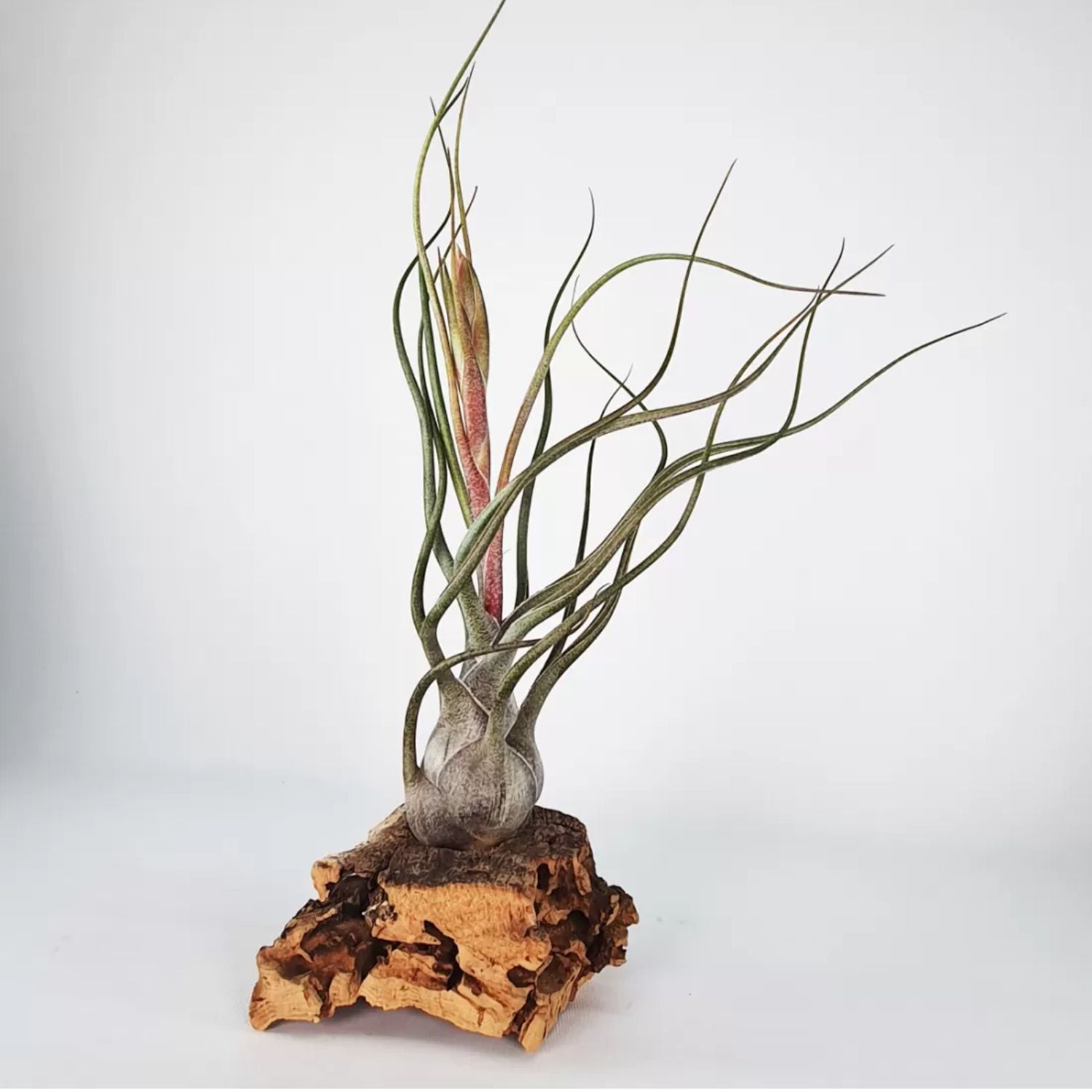
There Tillandsia Butts It is a plant that belongs to the Bromeliad family and is native to South America. Famous for its striped brownish-green coat with a tiger pattern, it has long, thin leaves that make it perfect for hanging or standing upright (for further information visit the page guide plants).
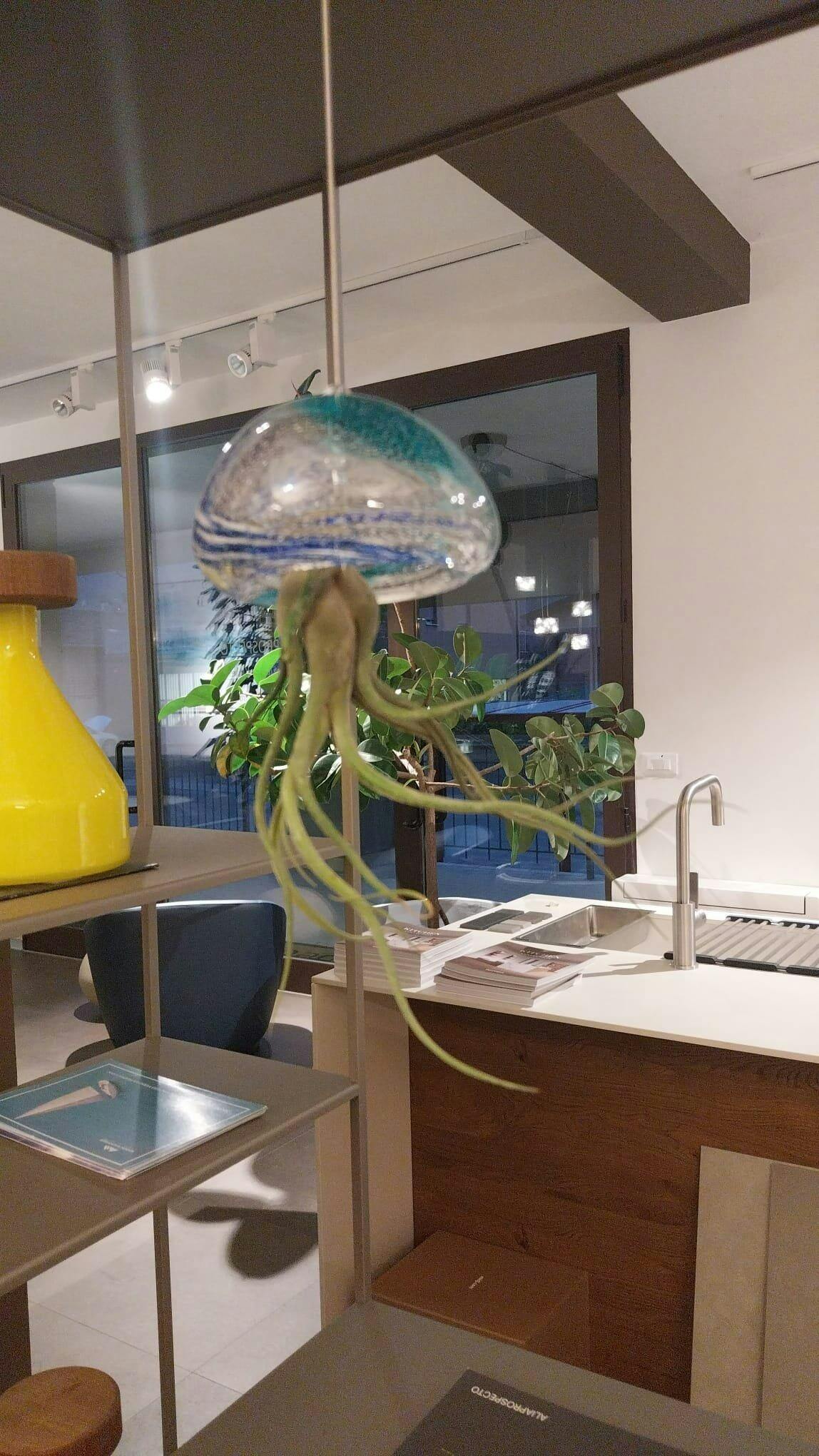
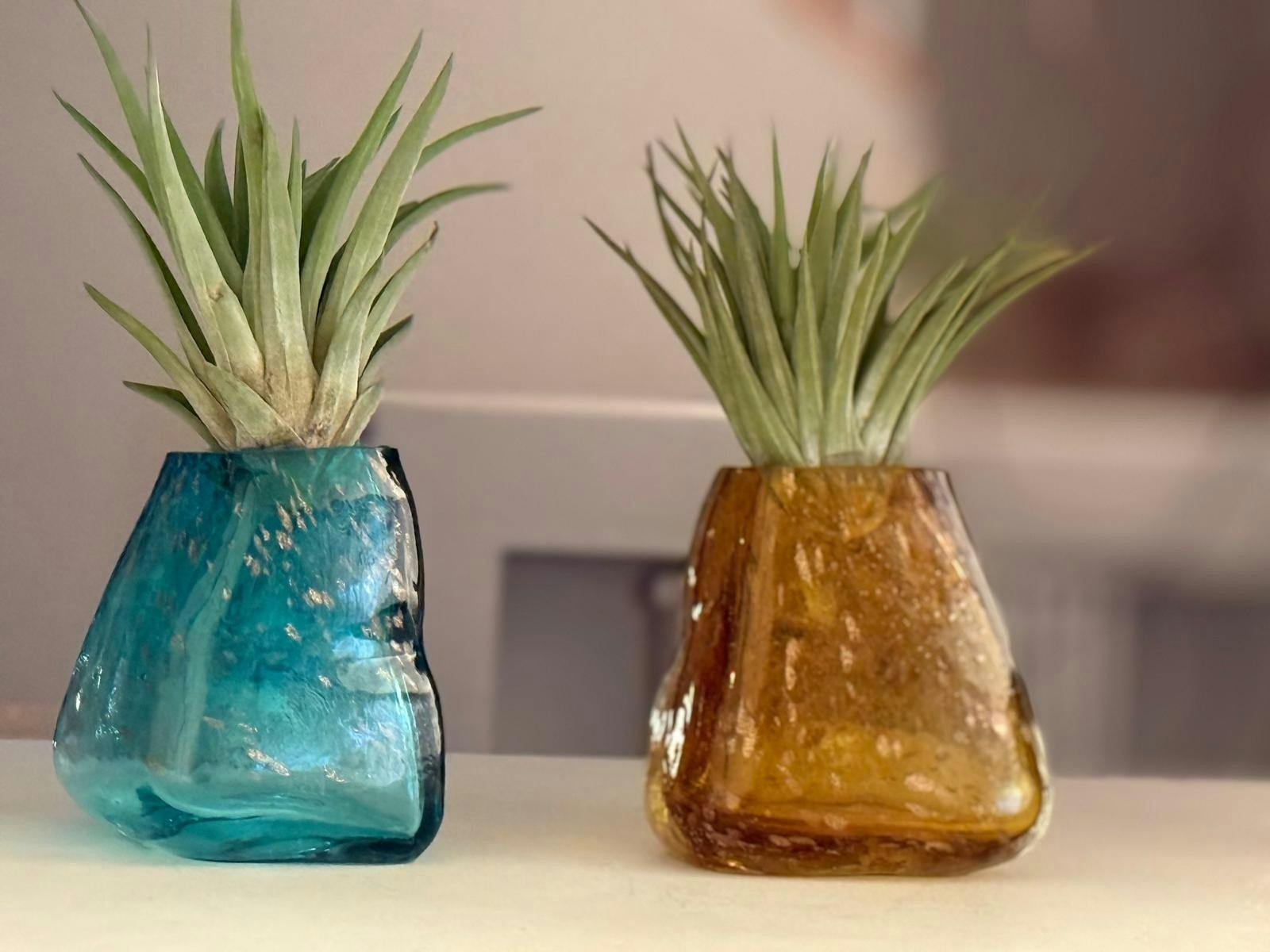
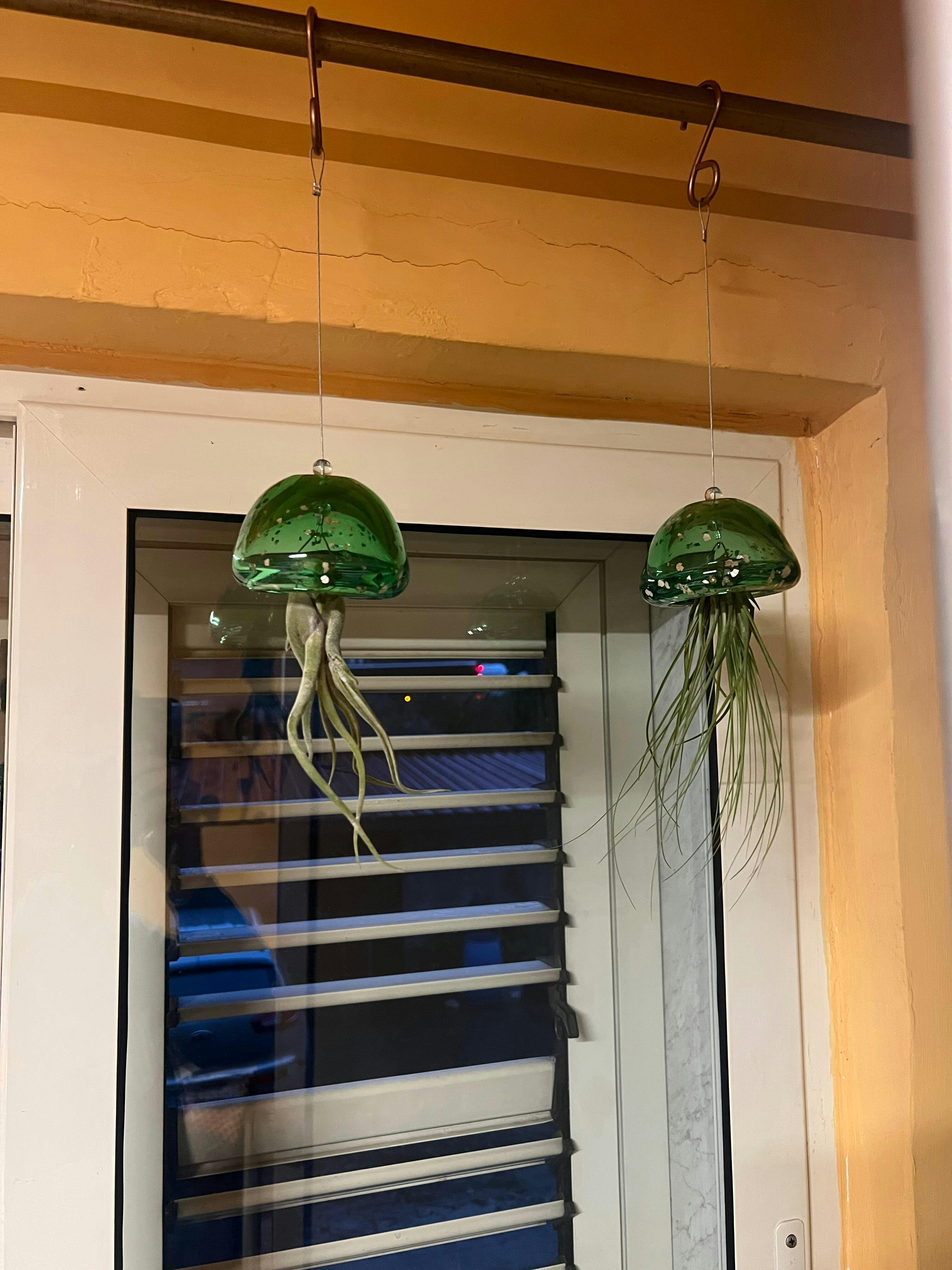
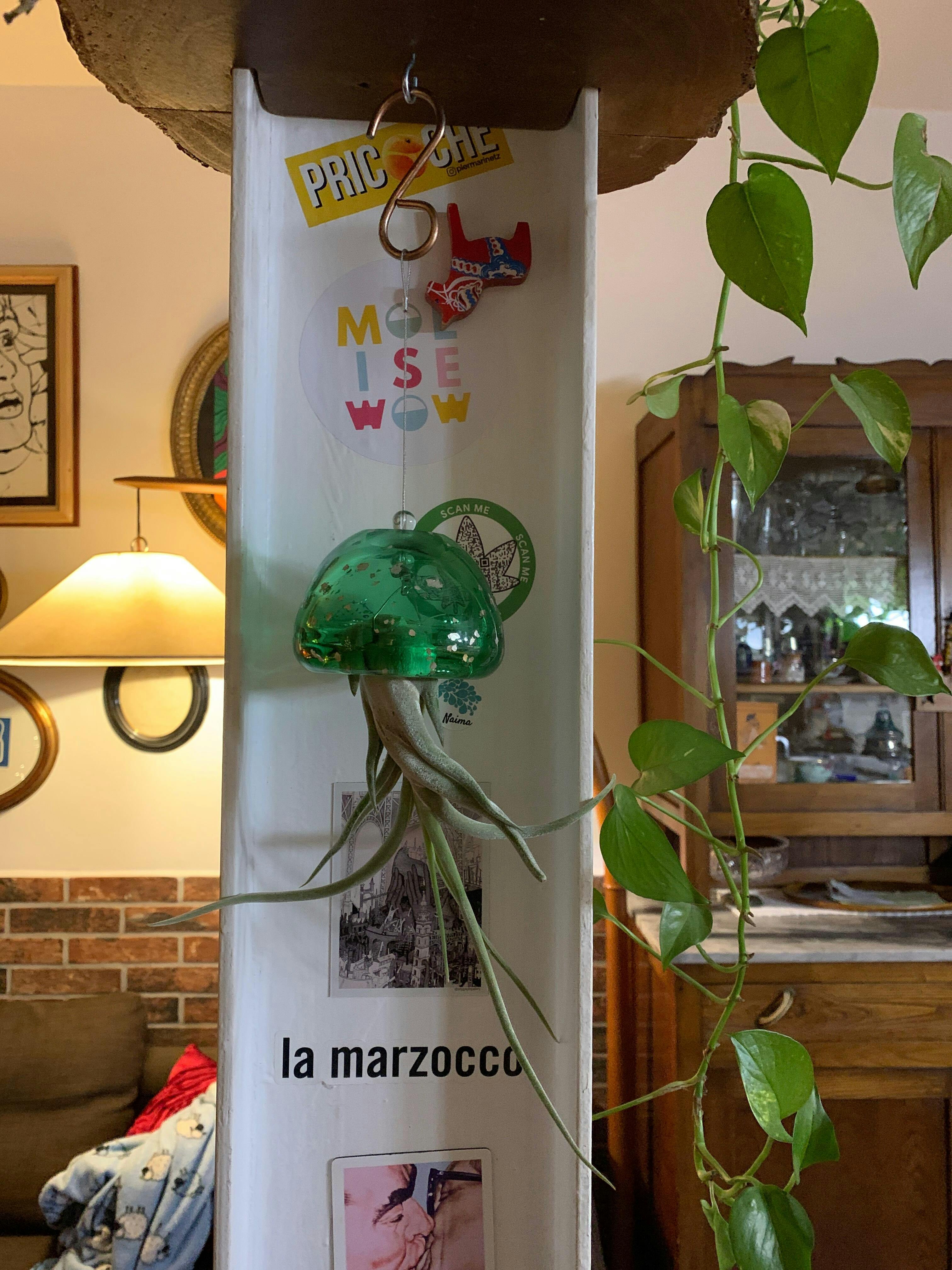
There Tillandsia Butzii and ideal for ours NARCISO It is BOCCADOR which allow it to receive the right light and ventilation.

XL - EXTRALARGE
height: ± 25 cm
diameter: ± 3 cm

Care of Tillandsia BUTZII

La Butzii preferisce un'esposizione a luce brillante ma indiretta, evitando sole diretto troppo intenso; in ambienti molto luminosi può ricevere alcune ore di sole filtrato (es. mattina/sera).

Ha un bisogno di acqua – 1 volta alla settimana circa (in ambienti secchi 2 volte) con immer­sione o spruzzi abbondanti mantenendo una buona asciugatura dopo l’irrigazione; evitare ristagni d’acqua alla base delle foglie per prevenire marciumi.

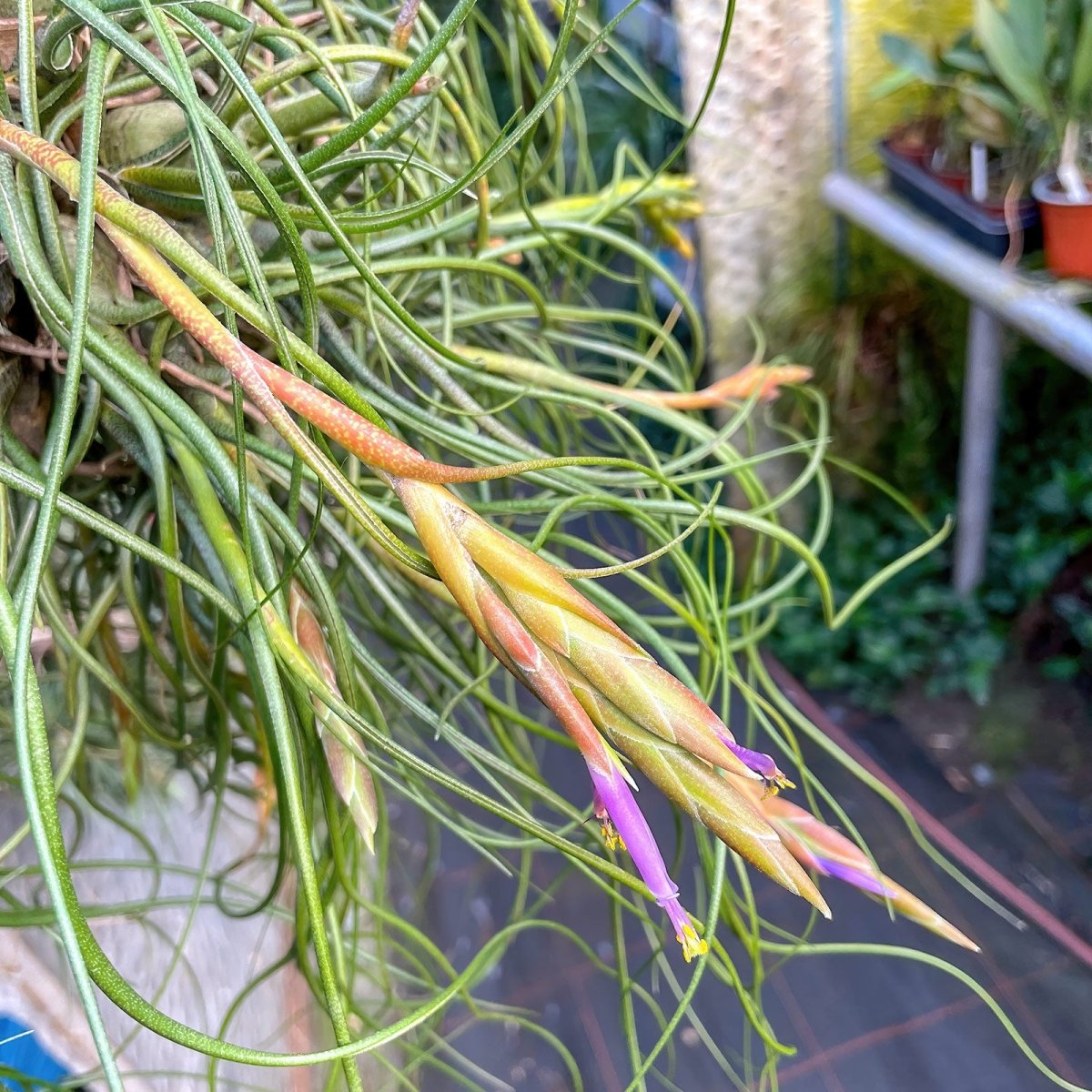
In genere fiorisce nei mesi estivi (indicativamente giugno → settembre) con infiorescenze colorate, brattee che tendono al rosso con fiori viola o violacei.

Features of the Tillandsia BUTZII

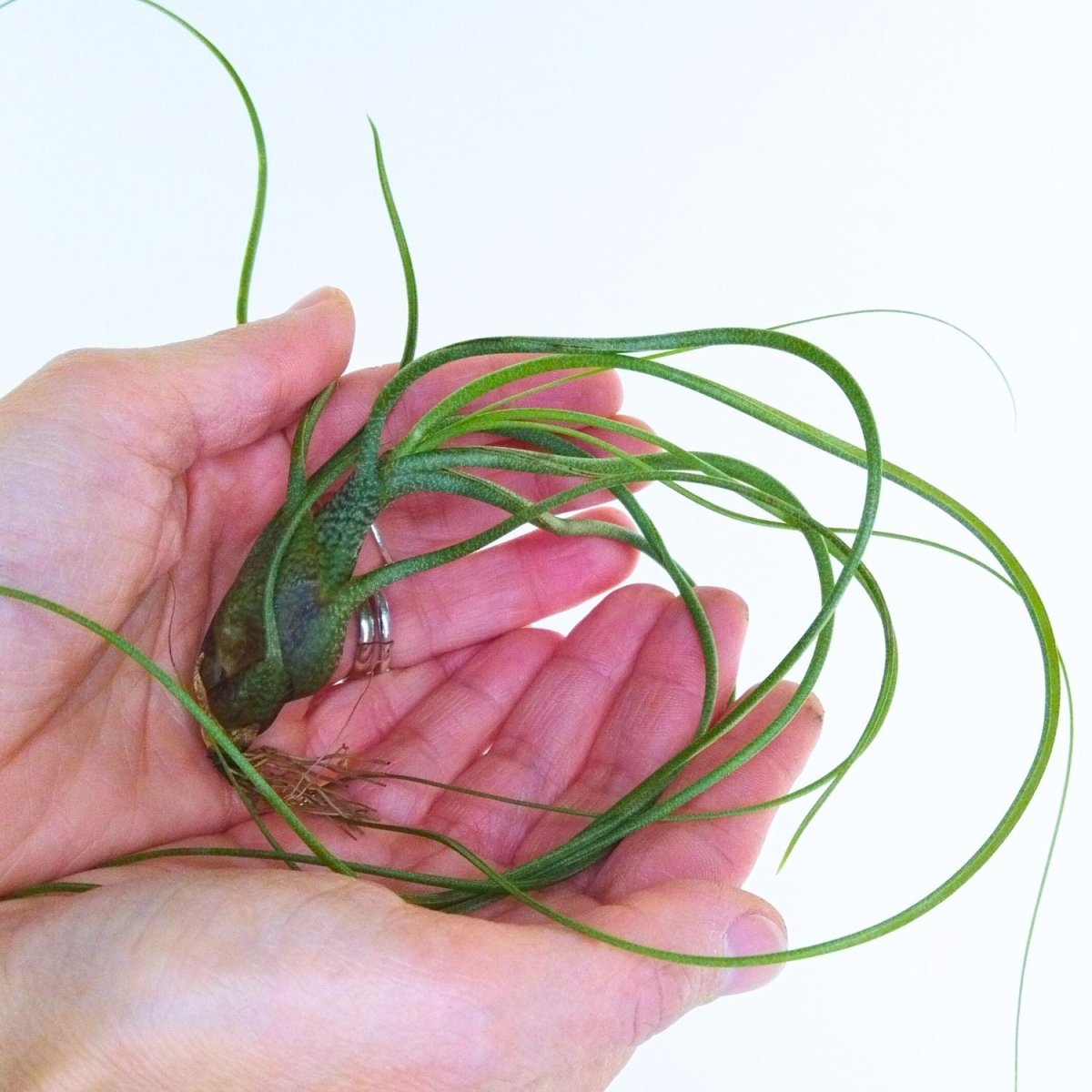
• Chioma (foglie) – foglie lunghe, strette e leggermente attorcigliate che partono da una base “bulbosa” rigonfia; spesso con tonalità verde-marroni e leggere maculature. Specie dal portamento scenico e “tentacoloso” tipico delle air plant con base più spessa.

• Area climatica – specie epifita originaria delle foreste tropicali umide di America Centrale e Messico; ama temperature calde/temperate e non sopporta gelate persistenti.

• Umidità & Aria – predilige umidità medio-alta (es. 50–80 %) con ottima circolazione d’aria, così la pianta asciuga rapidamente dopo l’annaffiatura.

• Supporto di crescita – pianta epifita che non ha bisogno di terreno; può essere montata su legno, sughero, conchiglie o altri supporti decorativi lasciando le radici solo per ancoraggio.

• Concimazione (opzionale) – durante la stagione di crescita si può nutrire occasionalmente con fertilizzante liquido per tillandsie o bromeliacee molto diluito (es. 1× al mese) per favorire fioritura e sviluppo.
Giardino Carnivoro

• Malattie/parassiti – il principale rischio è il marciume se l’acqua resta nelle pieghe o alla base per troppo tempo; garantire asciugatura completa e aria in movimento; controllare occasionalmente cocciniglia o afidi.

Tillandsia Curiosities

These soilless wonders offer a touch of natural elegance with minimal maintenance.

Magical plants, perfect for any space and any lifestyle, ideal for those with black thumbs!

They prefer bright indirect light. Avoid direct and strong sunlight.

Soak in water for 15-30 minutes once a week or spray 2-3 times a week.

They love fresh air! Avoid closed or too humid environments without air exchange.

Ideal temperature between 15 and 30°C. Protect from the cold: below 10°C, it is better to move them indoors.

They help purify the air by removing contaminants such as dirt and dust.

Through photosynthesis, these plants produce fresh oxygen, providing cleaner air to breathe.

Being native to rainforests, they thrive in humid conditions and derive their nourishment from the humidity in the air.

For this reason, they help reduce moisture by capturing it and using it to survive.

The simple presence of plants promotes relaxation, reducing stress and even helping to lower blood pressure.

Keeping them at home is ideal for those who have a stressful job or live in a high-tension environment.

Separating Line
Separating Line